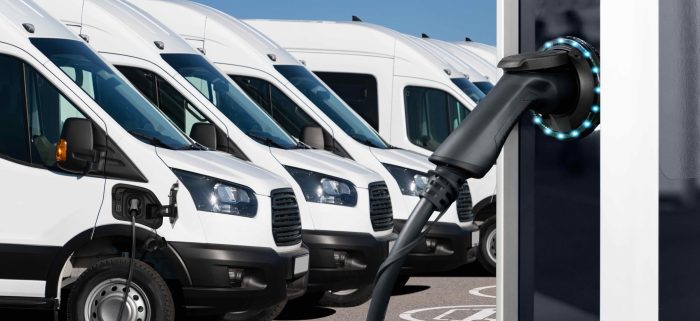
Exploring the advancements shaping the future of electric fleet maintenance unveils a world where technology meets sustainability. As electric vehicles gain prominence, understanding the nuances of maintaining these fleets becomes paramount for efficient operations and environmental impact.
Delve deeper into the realm of electric fleet maintenance to discover the transformative trends and challenges that lie ahead.
Importance of Electric Fleet Maintenance
Electric fleet maintenance plays a crucial role in ensuring the efficiency and performance of fleets in the future. Proper maintenance of electric vehicles is essential for maximizing their lifespan and reducing downtime.
Impact on Fleet Efficiency and Performance
Regular maintenance of electric fleets can significantly impact their efficiency and performance. By conducting routine inspections, servicing, and repairs, fleet managers can ensure that the vehicles are operating at their optimal levels. This can lead to lower operating costs, improved reliability, and increased overall productivity.
Key Differences between Electric and Traditional Fleet Maintenance Practices
- Charging Infrastructure: Electric fleets require dedicated charging infrastructure, which needs to be maintained and monitored regularly to ensure seamless operations.
- Unique Components: Electric vehicles have different components compared to traditional vehicles, such as batteries and electric motors, which require specialized maintenance techniques.
- No Emissions: Electric fleets produce zero emissions, eliminating the need for exhaust system maintenance and reducing overall environmental impact.
- Software Updates: Electric vehicles often require software updates for optimal performance, making software maintenance a critical aspect of electric fleet maintenance.
Technology Trends in Electric Fleet Maintenance
Electric fleet maintenance is evolving rapidly due to innovative technologies that are revolutionizing the landscape of traditional maintenance practices. With the rise of electric vehicles (EVs) in commercial fleets, the demand for more efficient and cost-effective maintenance solutions has never been higher.
Let's explore some of the key technology trends shaping the future of electric fleet maintenance.
Digital Diagnostic Tools
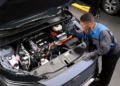
Digital diagnostic tools have become essential in modern electric fleet maintenance, allowing technicians to quickly identify and troubleshoot issues with EV components. These tools provide real-time data on the performance of electric vehicles, enabling proactive maintenance measures to prevent costly breakdowns.
Compared to traditional manual inspection methods, digital diagnostic tools offer greater accuracy and efficiency in diagnosing problems.
Predictive Maintenance Software
Predictive maintenance software utilizes data analytics and machine learning algorithms to predict when maintenance is needed based on the condition of EV components. By analyzing historical data and performance trends, this software can forecast potential failures and recommend preventive actions to minimize downtime and maximize fleet efficiency.
This proactive approach to maintenance helps fleet operators save time and money in the long run.
IoT Devices for Remote Monitoring
Internet of Things (IoT) devices are increasingly being used in electric fleet maintenance to enable remote monitoring of vehicle health and performance. These smart devices can collect and transmit data on key metrics such as battery status, charging patterns, and energy consumption in real-time.
Fleet managers can access this information from anywhere, allowing them to make informed decisions on maintenance scheduling and optimize fleet operations for maximum productivity.
Fleet Management Software Integration
Integrating fleet management software with maintenance systems streamlines the maintenance process for electric vehicles in commercial fleets. By centralizing data on vehicle maintenance schedules, repair history, and parts inventory, fleet managers can efficiently track and manage maintenance tasks across their entire fleet.
This integration ensures timely servicing of EVs, enhances operational efficiency, and prolongs the lifespan of fleet vehicles.
Augmented Reality (AR) for Training and Support
Augmented Reality (AR) technology is being adopted in electric fleet maintenance for training technicians and providing on-site support. AR tools enable technicians to access interactive guides, visual instructions, and virtual simulations for complex maintenance tasks on EVs. This immersive technology enhances training effectiveness, reduces human errors, and accelerates the learning curve for new maintenance procedures in electric fleet operations.
Sustainability and Environmental Impact
Electric fleet maintenance plays a crucial role in supporting sustainability goals and reducing the environmental impact of transportation. By adopting efficient maintenance practices for electric vehicles, we can significantly contribute to a greener future and minimize our carbon footprint.
Reducing Emissions
- Maintaining electric fleet vehicles regularly helps ensure optimal performance and efficiency, leading to lower emissions of greenhouse gases compared to traditional combustion engine vehicles.
- Proper maintenance of batteries and other components can extend the lifespan of electric vehicles, reducing the need for premature replacements that contribute to waste and environmental harm.
Energy Efficiency
- Efficient maintenance practices, such as tire pressure checks and aerodynamic improvements, can enhance the energy efficiency of electric fleet vehicles, resulting in reduced energy consumption and lower environmental impact.
- Implementing sustainable maintenance strategies, like regenerative braking systems and energy recovery processes, can further enhance the overall energy efficiency of electric vehicles.
Waste Reduction
- By focusing on preventive maintenance and proactive repairs, fleet managers can minimize the generation of electronic waste from disposed vehicle parts and components, contributing to a more sustainable approach to vehicle maintenance.
- Recycling and refurbishing components from electric vehicles at the end of their lifecycle can help reduce the environmental impact of vehicle disposal and promote circular economy practices in the automotive industry.
Challenges and Solutions in Electric Fleet Maintenance
Electric fleet maintenance comes with its own set of challenges that need to be addressed to ensure the smooth operation of the vehicles. From complex technologies to limited charging infrastructure, there are several hurdles that fleet managers need to overcome.
Let's delve into some of the common challenges faced in maintaining electric fleets and explore potential solutions.
Common Challenges Faced in Electric Fleet Maintenance
- Complexity of Electric Vehicle Components: Electric vehicles consist of intricate systems and components that require specialized knowledge for maintenance and repair.
- Limited Charging Infrastructure: The availability of charging stations can be a major challenge, especially for fleets operating in regions with inadequate charging infrastructure.
- Battery Degradation: Over time, electric vehicle batteries degrade, leading to reduced range and performance, which can impact fleet operations.
- High Initial Costs: The upfront cost of purchasing electric vehicles can be higher than traditional vehicles, posing a financial challenge for fleet managers.
Solutions to Overcome These Challenges
- Training and Education: Providing training to maintenance staff on electric vehicle technology can help in effectively diagnosing and repairing issues.
- Investing in Charging Infrastructure: Fleet managers can collaborate with charging station providers or invest in their own infrastructure to ensure vehicles are always charged and ready for operation.
- Battery Management Systems: Implementing advanced battery management systems can help monitor and optimize the performance of electric vehicle batteries, extending their lifespan.
- Total Cost of Ownership Analysis: Conducting a thorough analysis of the total cost of ownership of electric vehicles can help in understanding the long-term financial benefits and making informed decisions.
Role of Predictive Maintenance
Predictive maintenance plays a crucial role in preventing potential issues in electric vehicles by using data analytics and sensors to monitor the condition of vehicle components in real-time. By leveraging predictive maintenance technologies, fleet managers can proactively identify maintenance needs, schedule repairs before breakdowns occur, and optimize vehicle performance, ultimately reducing downtime and increasing operational efficiency.
Ultimate Conclusion
In essence, The Future of Electric Fleet Maintenance intertwines innovation with environmental consciousness, paving the way for a greener and more efficient future in transportation. By embracing cutting-edge technologies and sustainable practices, the landscape of fleet maintenance is set to evolve dramatically, offering a glimpse into a more sustainable tomorrow.
FAQ Insights
How does electric fleet maintenance contribute to sustainability goals?
Electric fleet maintenance reduces carbon emissions and promotes cleaner transportation, aligning with sustainability objectives to mitigate environmental impact.
What are the key differences between electric and traditional fleet maintenance practices?
Electric fleet maintenance focuses more on battery health and software updates compared to traditional maintenance that involves engine components and fuel systems.