Exploring the critical role of Health IT in Electronic Medical Records (EMR), this introduction sets the stage for a deep dive into the world of healthcare technology, highlighting its impact and significance.
Providing a detailed overview of how Health IT shapes the landscape of EMR systems, this paragraph aims to inform and engage readers from the outset.
Overview of Health IT in EMR
Health IT stands for Health Information Technology, which refers to the use of technology to manage health information and improve healthcare delivery. On the other hand, Electronic Medical Records (EMR) are digital versions of paper charts in a healthcare provider's office.
The relationship between Health IT and EMR is crucial as Health IT systems are used to create, store, and manage EMRs efficiently. Let's delve into how Health IT is utilized in managing EMR.
Utilization of Health IT in Managing EMR
- Interoperability: Health IT systems enable the seamless exchange of EMR data between different healthcare providers, ensuring continuity of care for patients.
- Decision Support: Health IT tools integrated into EMR systems provide healthcare professionals with real-time clinical guidance and alerts to improve decision-making.
- Data Analytics: Health IT allows for the analysis of large datasets within EMRs to identify trends, improve outcomes, and enhance population health management.
- Patient Portals: Through Health IT solutions, patients can access their EMRs online, schedule appointments, request prescription refills, and communicate with healthcare providers.
Benefits of Health IT in EMR
Implementing Health IT in EMR systems offers numerous advantages that can greatly impact patient care, safety, efficiency, and accuracy in managing data.
Enhanced Patient Care and Safety
- Health IT in EMR allows for easy access to patient records, enabling healthcare providers to make more informed decisions quickly.
- Integration of Health IT systems reduces medical errors by providing alerts for potential drug interactions, allergies, and other critical information.
- Improved communication among healthcare teams leads to better coordination of care and reduces the chances of errors or duplicative tests.
Increased Efficiency and Accuracy in Data Management
- Electronic records streamline administrative tasks, such as scheduling appointments and billing, allowing healthcare providers to focus more on patient care.
- Health IT automates processes like lab orders and prescriptions, reducing the time spent on manual paperwork and minimizing errors.
- Centralized EMR systems ensure that patient data is up-to-date, complete, and easily accessible when needed, improving overall efficiency in healthcare delivery.
Challenges and Limitations
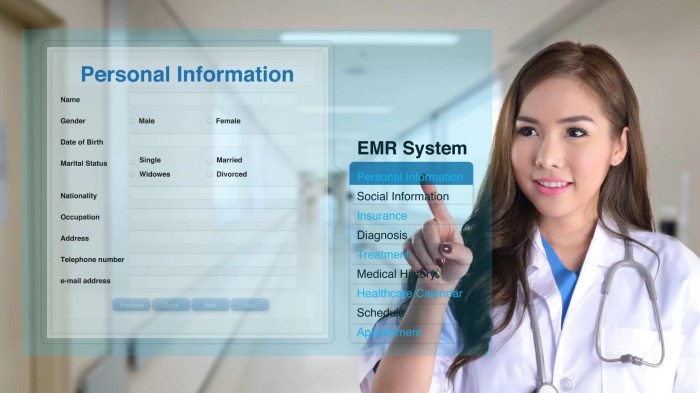
Integrating Health IT with EMR systems comes with its own set of challenges and limitations that healthcare providers need to navigate.
Common Challenges in Integration
When it comes to integrating Health IT with EMR systems, healthcare providers often face the following challenges:
- Lack of interoperability between different systems, leading to difficulties in sharing patient data seamlessly.
- Issues with data security and privacy, especially with the increasing threat of cyber attacks on healthcare organizations.
- Resistance from healthcare professionals who may be hesitant to adopt new technologies and change their workflows.
- High costs associated with implementing and maintaining Health IT systems, which can be a barrier for smaller healthcare facilities.
Limitations of Health IT in Optimizing EMR Processes
While Health IT offers numerous benefits, there are limitations to its ability to optimize EMR processes:
- Complexity of EMR systems can lead to inefficiencies and usability issues for healthcare providers, impacting patient care.
- Inaccuracies in data entry or coding can occur, affecting the quality and reliability of information stored in EMRs.
- Limited standardization of Health IT systems across different healthcare settings can hinder seamless data exchange and collaboration.
Obstacles in Adopting Health IT for EMR
Healthcare providers may encounter various obstacles when adopting Health IT for EMR, including:
- Staff training and education to ensure proper utilization of Health IT tools and systems.
- Integration challenges with existing EMR systems, requiring time and resources for a smooth transition.
- Regulatory compliance requirements that need to be met to safeguard patient information and adhere to industry standards.
Security and Privacy Concerns
Maintaining data security and patient privacy in Health IT for EMR is crucial to ensure the confidentiality and integrity of sensitive medical information. As healthcare organizations transition to electronic medical records, it is essential to address security and privacy concerns to protect patient data from unauthorized access and breaches.
Importance of Data Security in Health IT
- Health IT systems utilize encryption techniques to secure EMR data, ensuring that only authorized users can access and view patient information.
- Implementing access controls and user authentication mechanisms help prevent unauthorized individuals from gaining entry to the EMR system.
- Regular security audits and assessments are conducted to identify vulnerabilities and strengthen the overall security posture of Health IT systems.
Addressing Security Risks in Health IT
- Health IT systems employ firewalls and intrusion detection systems to monitor network traffic and prevent cyberattacks that could compromise EMR data.
- Regular software updates and patches are applied to mitigate potential security vulnerabilities and protect against emerging threats.
- Data backup and disaster recovery plans are essential components of Health IT security strategies to ensure continuity of care in the event of a security breach.
Impact of Security Breaches on EMR Data
- Security breaches can lead to unauthorized access, theft, or manipulation of EMR data, jeopardizing patient privacy and confidentiality.
- Loss of trust in Health IT systems may occur among patients and healthcare providers if security breaches expose sensitive medical information.
- Financial repercussions can result from security breaches, including regulatory fines, legal costs, and damage to the reputation of healthcare organizations.
Future Trends in Health IT and EMR
The future of Health IT in managing Electronic Medical Records (EMR) is an exciting realm with emerging technologies poised to revolutionize healthcare delivery and patient outcomes related to EMR systems.
Artificial Intelligence (AI) Integration
Artificial Intelligence (AI) is expected to play a significant role in the future of Health IT and EMR. AI algorithms can analyze vast amounts of patient data quickly and accurately, providing insights that can enhance clinical decision-making and personalized treatment plans.
Blockchain Technology for Data Security
Blockchain technology holds promise for improving data security in EMR systems. By creating a decentralized and tamper-proof digital ledger, blockchain can ensure the integrity and confidentiality of patient information, reducing the risk of data breaches and unauthorized access.
Telehealth and Remote Monitoring
The integration of telehealth and remote monitoring technologies into EMR systems can enable healthcare providers to deliver care to patients in remote locations or monitor chronic conditions more effectively. This trend is expected to enhance access to healthcare services and improve patient outcomes through continuous monitoring and timely interventions.
IoT Devices and Wearables Integration
The proliferation of Internet of Things (IoT) devices and wearables presents opportunities to capture real-time health data and integrate it seamlessly into EMR systems. By collecting and analyzing data from these devices, healthcare providers can gain valuable insights into patient health trends, enabling proactive interventions and personalized care plans.
Interoperability and Data Exchange
Enhancements in Health IT are driving efforts towards achieving greater interoperability and seamless data exchange between different healthcare systems and EMR platforms. This interoperability can facilitate better coordination of care, reduce duplicate testing, and improve the overall efficiency of healthcare delivery.
Wrap-Up
In conclusion, this discussion on the role of Health IT in Electronic Medical Records (EMR) underscores the importance of technology in modern healthcare practices, emphasizing its benefits, challenges, and future trends.
Clarifying Questions
What are the key benefits of Health IT in EMR?
Health IT enhances efficiency, accuracy, and patient care in managing EMR data.
What challenges are commonly faced when integrating Health IT with EMR systems?
Common challenges include system integration issues and resistance from healthcare providers.
How does Health IT address security and privacy concerns in EMR?
Health IT systems implement robust security measures to protect patient data and ensure privacy compliance.
What future trends can we expect in Health IT for EMR?
Emerging technologies are set to revolutionize EMR systems, improving healthcare delivery and patient outcomes.