Smart Home Systems vs Traditional Security: Which One Wins? sets the stage for this intriguing comparison, shedding light on the evolving landscape of home security.
Delve into the details of how smart home systems are revolutionizing security measures and challenging the traditional notions of safety within households.
Smart Home Systems Overview
Smart home systems are advanced technological solutions that integrate various devices and appliances within a house to provide homeowners with enhanced control, convenience, and security. These systems utilize internet connectivity and automation to allow users to remotely monitor and manage their home environment.
Key Components of a Smart Home System
- Sensors: These devices detect changes in the environment, such as motion, temperature, or light, and trigger automated responses.
- Smart Hub: The central control unit that connects all smart devices and enables communication between them.
- Smart Thermostats: Allow for remote adjustment of temperature settings for energy efficiency and comfort.
- Security Cameras: Provide real-time video surveillance and alerts for potential threats.
- Smart Locks: Enable remote locking and unlocking of doors, as well as monitoring access.
Functionality Comparison: Smart Home Systems vs. Traditional Security Systems
- Remote Monitoring: Smart home systems allow users to monitor their property in real-time through connected devices, while traditional security systems typically rely on external monitoring services.
- Automation: Smart home systems offer automated responses to triggers like motion detection or changes in environmental conditions, enhancing security measures compared to traditional systems.
- Integration: Smart home systems can integrate various devices for a comprehensive security solution, whereas traditional systems may require separate installations for different security features.
- Customization: Smart home systems provide users with the flexibility to customize settings and notifications based on their preferences, offering a more personalized security experience than traditional systems.
Traditional Security Systems Overview
Traditional security systems refer to the more conventional methods of safeguarding homes and properties using non-digital or non-smart technologies. These systems typically rely on physical barriers and manual monitoring to protect against intruders and emergencies.
Common Features of Traditional Security Setups
Traditional security systems often include the following features:
- Basic door and window locks
- Security alarms
- Outdoor lighting
- Security cameras
- Security guards
These components work together to deter unauthorized access and alert homeowners or authorities in case of a security breach.
Limitations or Drawbacks of Traditional Security Systems
Traditional security systems have several limitations compared to smart home systems, including:
- Lack of remote access: Traditional systems do not offer the convenience of remote monitoring and control, requiring homeowners to be physically present to address security issues.
- Limited automation: These systems do not have the capability to automate security processes or integrate with other smart devices in the home.
- Higher false alarm rates: Traditional security alarms are more prone to false alarms, leading to potential desensitization of homeowners and delayed responses to real threats.
- Higher maintenance costs: Maintaining and upgrading traditional security systems can be more costly in the long run compared to smart home systems that offer more advanced and efficient technology.
Overall, traditional security systems may provide a basic level of protection, but they lack the advanced features and convenience offered by smart home systems.
Security Effectiveness
Smart home systems offer a wide range of security benefits that enhance the protection of your home and loved ones. These systems utilize advanced technology to provide real-time monitoring, alerts, and remote access, making them highly effective in safeguarding your property.
Enhanced Security Measures
- Smart home systems can integrate various devices such as cameras, motion sensors, door/window sensors, and smart locks to create a comprehensive security network.
- These systems allow users to receive instant notifications on their smartphones in case of any suspicious activity or security breach.
- Remote access features enable homeowners to monitor their property from anywhere in the world, providing peace of mind and quick response to emergencies.
Comparison with Traditional Security Methods
- Smart home systems offer more flexibility and control compared to traditional security systems, which are often limited in their capabilities.
- Traditional security methods like manual alarm systems or locks may not provide real-time alerts or remote access, making them less effective in preventing potential threats.
- Smart home systems leverage cutting-edge technology like artificial intelligence and machine learning to analyze security data and improve response times, enhancing overall security effectiveness.
Installation and Maintenance
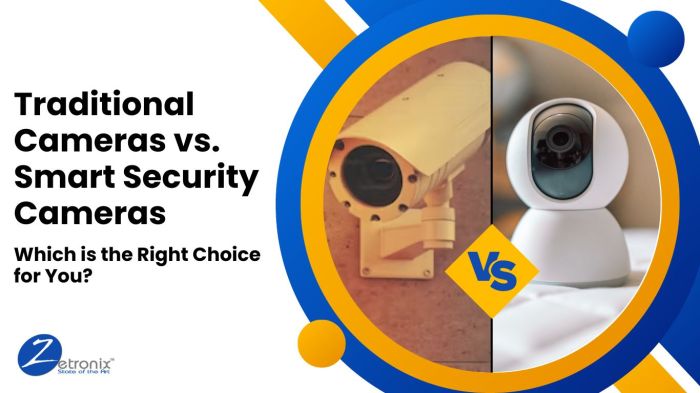
When it comes to the installation and maintenance of smart home systems versus traditional security systems, there are some key differences to consider.Smart Home Systems:The installation process for smart home systems can vary depending on the complexity of the system and the devices being used.
In general, most smart home systems can be installed by homeowners themselves, as they often come with user-friendly instructions and can be set up without the need for professional help. However, for more complex systems or integration with existing home infrastructure, professional installation may be required.Maintenance requirements for smart home systems typically involve regular software updates and ensuring that all devices are functioning properly.
Many smart home systems also come with remote monitoring capabilities, allowing homeowners to easily check the status of their system and receive alerts for any issues that may arise
This can result in higher installation costs compared to smart home systems. Additionally, maintenance for traditional security systems may also require professional assistance, especially for troubleshooting and repairs.In terms of ease of installation and maintenance, smart home systems generally have the upper hand due to their user-friendly setup processes and remote monitoring capabilities.
However, traditional security systems may offer more robust security features and may be preferred for those who prioritize maximum security over ease of installation and maintenance.
Cost Comparison
When it comes to the cost of security systems, smart home systems and traditional security systems have different pricing structures. Let's break down the costs associated with each to see which one offers better value.
Smart Home Systems Costs
Smart home systems typically have higher upfront costs compared to traditional security systems. This is because smart home systems require specialized equipment such as smart cameras, sensors, and hubs, which can be quite expensive. Additionally, there may be installation fees if you opt for professional setup.
- Upfront Costs: The initial investment for a smart home system can range from a few hundred to a few thousand dollars, depending on the size of your home and the features you choose.
- Long-Term Savings: Despite the higher upfront costs, smart home systems can potentially save you money in the long run. For example, you can save on energy bills by using smart thermostats and lighting controls, and some insurance companies offer discounts for homes with smart security systems.
- Overall Cost of Ownership: When considering the overall cost of ownership, smart home systems may be more cost-effective over time due to their energy-saving capabilities and potential insurance discounts.
Traditional Security Systems Costs
On the other hand, traditional security systems usually have lower upfront costs compared to smart home systems. These systems typically consist of basic alarm systems with sensors and control panels.
- Upfront Costs: The initial cost of a traditional security system is generally lower than that of a smart home system, ranging from a few hundred to a thousand dollars.
- Long-Term Savings: While traditional security systems may have lower upfront costs, they may not offer the same long-term savings as smart home systems in terms of energy efficiency and insurance discounts.
- Overall Cost of Ownership: When considering the overall cost of ownership, traditional security systems may end up costing more over time due to higher maintenance and monitoring fees.
Integration and Connectivity
Smart home systems offer a high level of integration and connectivity compared to traditional security setups. These systems are designed to work seamlessly with a wide range of devices and technologies, providing a more comprehensive approach to home security.
Integration with Other Devices
Smart home systems can integrate with various devices such as security cameras, motion sensors, smart locks, and even smart lights. This integration allows for a more holistic approach to home security, where different devices work together to provide a more robust and efficient system.
- Smart home systems can be connected to your smartphone or tablet, allowing you to monitor and control your security system remotely.
- Integration with voice assistants like Amazon Alexa or Google Assistant enables hands-free control of your security devices.
- These systems can also integrate with other smart devices in your home, such as thermostats and smoke detectors, creating a more interconnected and efficient household.
Connectivity Options
Smart home systems offer various connectivity options to ensure seamless communication between devices. From Wi-Fi to Bluetooth and Z-Wave, these systems provide flexible connectivity solutions to meet different needs and preferences.
- Wi-Fi connectivity allows for easy access to your security system from anywhere with an internet connection.
- Bluetooth connectivity is great for short-range communication between devices within your home.
- Z-Wave technology enables communication between smart home devices, creating a mesh network that enhances reliability and range.
Comparison with Traditional Security Setups
Traditional security setups, on the other hand, typically lack the level of integration and connectivity that smart home systems offer. These setups often rely on standalone devices that may not communicate with each other or provide remote access capabilities.
- Traditional security systems may require separate monitoring services for different devices, leading to a disjointed approach to home security.
- Lack of integration hinders the ability to automate security processes or receive real-time alerts on your smartphone.
- Connectivity options in traditional setups are limited, with most systems relying on landline connections or proprietary protocols.
Last Point
In conclusion, the debate between Smart Home Systems and Traditional Security systems continues to spark discussions on the future of home protection, leaving us to ponder which one truly emerges victorious in ensuring our safety.
Q&A
Are smart home systems more reliable than traditional security systems?
While smart home systems offer advanced features and remote monitoring capabilities, traditional security systems provide a robust and proven method of protection. The reliability ultimately depends on individual needs and preferences.
What are the key differences between smart home systems and traditional security systems?
Smart home systems focus on automation and connectivity, allowing users to control various aspects of their home remotely. Traditional security systems, on the other hand, rely on more conventional methods like alarms and monitoring services.
Do smart home systems require professional installation?
Some smart home systems can be self-installed, while others may require professional assistance for setup. It depends on the complexity of the system and the user's technical skills.
How do smart home systems help enhance overall security?
Smart home systems offer features like motion sensors, video surveillance, and smart locks, which can significantly improve the security of a home by providing real-time alerts and remote monitoring options.