Exploring the dynamic world of Ford Share Price and the Future of Electric Vehicles, this introduction sets the stage for a detailed examination of key trends and factors shaping the automotive industry. With a blend of historical context and future outlook, readers are invited to delve into a thought-provoking discussion that sheds light on the evolving landscape of electric vehicles.
As we navigate through the intricate web of Ford's share price history and the electrifying future of vehicles, we uncover intriguing insights that offer a glimpse into what lies ahead in this rapidly changing market.
Ford Share Price Analysis
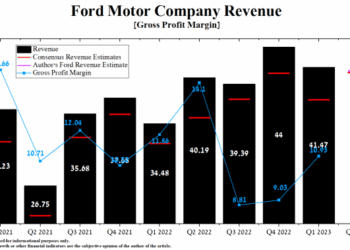
Ford Motor Company, like many other publicly traded companies, experiences fluctuations in its share price due to various internal and external factors. Understanding the historical trends and key events that have impacted Ford's share price can provide valuable insights into the company's performance and future prospects.
Historical Share Price Trends
In recent years, Ford's share price has shown a mix of highs and lows. The company's stock price reached its peak around 2014 but has since faced challenges amidst changing market dynamics and industry disruptions. Factors such as global economic conditions, competition, and company performance have all influenced Ford's share price over time.
Factors Influencing Share Price Fluctuations
Several factors can influence Ford's share price, including sales performance, profitability, technological innovations, changes in consumer preferences, and macroeconomic trends. Investors closely monitor these factors to gauge the company's financial health and growth prospects, which in turn impact the stock price.
Comparison with Competitors
Ford's share price performance is often compared with other major players in the automotive industry, such as General Motors, Toyota, and Tesla. Analyzing how Ford's stock price trends stack up against its competitors can provide valuable insights into the company's market position and investor sentiment.
Key Events Impacting Share Price
Events such as new product launches, recalls, executive changes, trade policies, and regulatory developments can significantly impact Ford's share price. For instance, announcements of strategic partnerships or investments in electric vehicle technology have shown to influence investor confidence and drive stock price movements.
Electric Vehicles Market Trends
Electric vehicles have been gaining significant traction in the automotive industry in recent years as the world moves towards a more sustainable future. Let's delve into the current trends shaping the electric vehicles market.
Growth Projections for Electric Vehicles Industry
- The electric vehicles industry is expected to witness substantial growth in the coming years, with a projected CAGR of over 20% from 2021 to 2026.
- Factors driving this growth include increasing government initiatives promoting electric vehicle adoption, advancements in battery technology, and growing environmental awareness among consumers.
- By 2030, electric vehicles are forecasted to account for a significant percentage of total vehicle sales globally, indicating a shift towards sustainable transportation.
Market Share: Electric Vehicles vs. Internal Combustion Engine Vehicles
- While electric vehicles currently represent a small fraction of total vehicle sales, their market share is steadily increasing each year.
- Traditional internal combustion engine vehicles still dominate the market, but the gap is narrowing as electric vehicles become more mainstream.
- With advancements in infrastructure and technology, electric vehicles are poised to gain a larger market share in the near future.
Key Players in Electric Vehicle Market
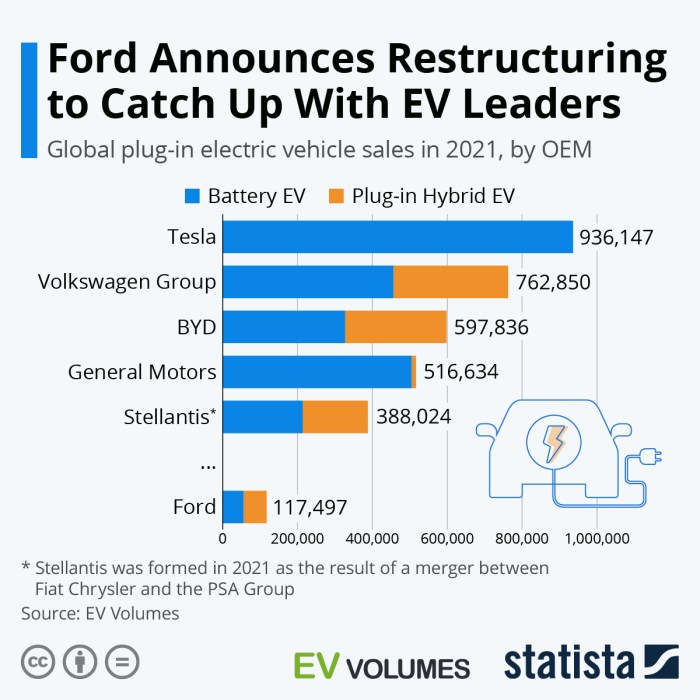
- Tesla Inc.: Leading the electric vehicle market with innovative technologies and a strong brand presence.
- Volkswagen Group: Making significant investments in electric vehicles to transition towards a more sustainable future.
- General Motors: Committing to an all-electric future with the launch of new electric models and battery technologies.
Ford’s Position in the Electric Vehicle Market
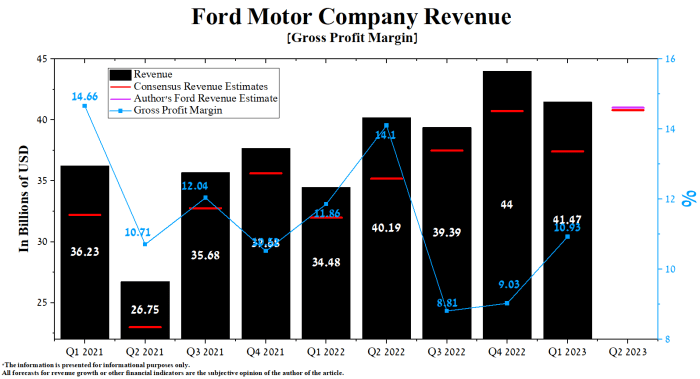
Ford has been making significant strides in the electric vehicle market with a lineup of electric vehicles that cater to different consumer needs. Their strategy for transitioning towards electric vehicles is focused on innovation and sustainability, aligning with the global shift towards eco-friendly transportation options.
Let's delve deeper into Ford's current position in the electric vehicle segment.
Ford’s Current Lineup of Electric Vehicles
- Ford Mustang Mach-E: A stylish and performance-oriented electric SUV that offers a long range and fast charging capabilities.
- Ford F-150 Lightning: An all-electric version of the popular F-150 pickup truck, combining power with zero emissions.
- Ford E-Transit: An electric version of the iconic Ford Transit van, designed for commercial use with a focus on efficiency.
Ford’s Strategy for Transitioning Towards Electric Vehicles
- Ford has committed to investing heavily in electric vehicle development, aiming to electrify most of its vehicle lineup in the coming years.
- Partnering with technology companies to enhance their electric vehicle offerings and develop cutting-edge features for consumers.
- Expanding their charging infrastructure to support the growing number of electric vehicles on the road.
Ford’s Market Share in the Electric Vehicle Segment
- Ford currently holds a respectable market share in the electric vehicle segment, thanks to the success of models like the Mustang Mach-E and F-150 Lightning.
- Continued innovation and expansion of their electric vehicle lineup are expected to further solidify Ford's position in the market.
Comparison with Competitors’ Models
- When compared to competitors' models, Ford's electric vehicles offer a good balance of performance, range, and affordability.
- Competing with established players like Tesla and newer entrants like Rivian, Ford's focus on practicality and brand recognition sets them apart in the electric vehicle market.
Impact of Regulations on Ford’s Electric Vehicle Strategy
Government regulations play a significant role in shaping Ford's electric vehicle strategy. These regulations influence the production, sales, and overall direction of Ford's electric vehicle offerings.
Government Incentives and Subsidies
- Government incentives and subsidies, such as tax credits for electric vehicle purchases, can benefit Ford by making their electric vehicles more affordable for consumers.
- These incentives help drive sales and encourage the adoption of electric vehicles, ultimately supporting Ford's electric vehicle strategy.
Emission Regulations Impact
- Emission regulations have a direct impact on Ford's overall business strategy, pushing the company to focus more on developing electric vehicles with lower emissions.
- Stricter emission standards drive Ford to invest in electric vehicle technology and infrastructure to meet regulatory requirements.
Adapting to Regulatory Changes
- Ford is actively adapting to meet changing regulatory requirements by increasing their electric vehicle offerings and expanding their electric vehicle lineup.
- The company is investing in research and development to stay ahead of evolving regulations and remain competitive in the electric vehicle market.
Conclusion
In conclusion, the discussion on Ford Share Price and the Future of Electric Vehicles leaves us pondering the transformative impact of electric vehicles on the automotive industry. With a focus on innovation and sustainability, Ford's journey in this space promises exciting developments and challenges that will shape the future of transportation.
Helpful Answers
How has Ford's share price trended historically?
Ford's share price has exhibited fluctuations over the years, influenced by various market factors and company performance.
What sets Ford's electric vehicle lineup apart from competitors?
Ford's electric vehicle lineup showcases a blend of innovation, performance, and sustainability, distinguishing it in the market.
How do government regulations impact Ford's electric vehicle strategy?
Government regulations play a crucial role in shaping Ford's production decisions and overall business strategy in the electric vehicle segment.