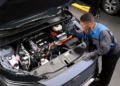
Embark on a journey through the realm of Fleet Preventive Maintenance for Electric Vehicles (EVs), where proactive care and strategic upkeep play a pivotal role in maximizing performance and longevity.
Explore the intricate details and benefits that come with maintaining electric vehicles in top-notch condition.
Importance of Fleet Preventive Maintenance for Electric Vehicles (EVs)
Preventive maintenance is crucial for the upkeep of electric vehicles as it helps in ensuring optimal performance, extending the lifespan of the vehicle, and reducing the risk of unexpected breakdowns.
Extending Lifespan of EVs
- Regular maintenance tasks such as tire rotations, brake inspections, and fluid checks can help prevent premature wear and tear on essential components of an electric vehicle.
- Proper maintenance of the battery system, including regular charging and temperature control, can significantly prolong the battery life of an EV.
- Timely software updates and diagnostic checks can help identify and resolve potential issues before they escalate, keeping the EV in top working condition.
Cost Benefits of Preventive Maintenance
- Preventive maintenance is often more cost-effective than reactive repairs, as it helps in identifying minor issues early on, preventing them from developing into major and costly problems.
- Regular maintenance can improve overall fuel efficiency and performance of an electric vehicle, resulting in long-term cost savings on energy consumption.
- By adhering to a preventive maintenance schedule, fleet operators can avoid unplanned downtime and costly emergency repairs, ultimately saving both time and money.
Components of Fleet Preventive Maintenance for EVs
Electric vehicle fleets require regular maintenance to ensure optimal performance and longevity. Let's explore the key components that need attention and the specific tasks required for maintenance.
Batteries
- Regularly check battery health and capacity to ensure optimal performance.
- Clean and inspect battery terminals for corrosion and tighten connections as needed.
- Monitor charging habits to avoid overcharging or deep discharging, which can impact battery life.
Electric Motors
- Inspect motor mounts and connections for any signs of wear or damage.
- Check motor cooling systems to prevent overheating and ensure efficient operation.
- Monitor motor performance and address any unusual noises or vibrations promptly.
Other EV Components
- Regularly inspect and maintain the cooling system to prevent overheating of electronic components.
- Check and replace brake pads as needed, as regenerative braking can wear them out faster.
- Inspect tires for wear and proper inflation to ensure optimal efficiency and safety.
When comparing the maintenance needs of EVs with traditional combustion engine vehicles, EVs generally have fewer moving parts, resulting in lower maintenance costs and less frequent maintenance intervals. However, it is crucial to follow the manufacturer's recommended maintenance schedule to keep EVs running smoothly and efficiently.
Best Practices for Implementing Fleet Preventive Maintenance for EVs
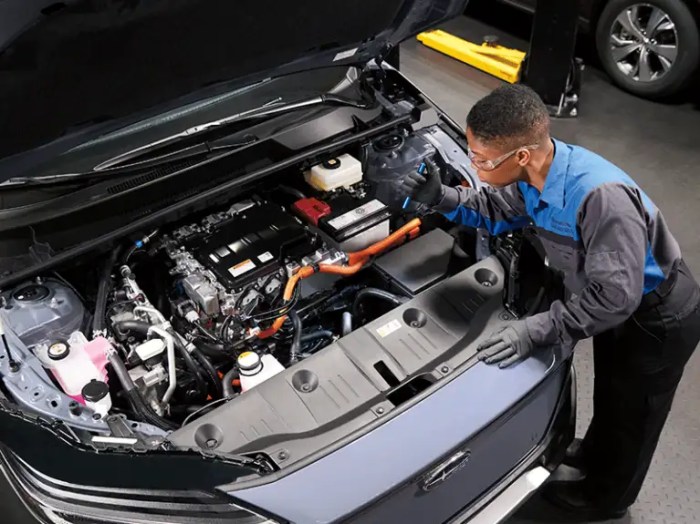
Implementing an effective preventive maintenance program for electric vehicle fleets is crucial to ensure optimal performance, longevity, and safety. Here are some best practices to consider:
Designing a Maintenance Schedule for an Electric Vehicle Fleet
Creating a detailed maintenance schedule for your electric vehicle fleet is essential to stay on top of regular inspections, servicing, and repairs. This schedule should include routine maintenance tasks such as tire rotations, brake checks, fluid top-ups, and battery health assessments.
By following a structured maintenance schedule, you can proactively address any potential issues before they escalate, minimizing downtime and costly repairs.
Role of Software Solutions in Automating Maintenance Reminders and Tracking
Utilizing software solutions specifically designed for fleet management can greatly streamline the maintenance process for electric vehicles. These platforms can automate maintenance reminders based on mileage, usage, or time intervals, ensuring that no scheduled service is missed. Additionally, software solutions can track maintenance history, costs, and performance metrics, providing valuable insights for optimizing fleet maintenance strategies.
Tips for Training Staff on Maintaining Electric Vehicles Effectively
Proper training for staff responsible for maintaining electric vehicles is essential to ensure that maintenance tasks are performed correctly and efficiently. Training should cover basic maintenance procedures, safety protocols, and specific requirements for electric vehicle components such as batteries, motors, and charging systems.
Encouraging ongoing education and certification programs can help keep staff up to date with the latest EV technologies and best practices.
Challenges and Solutions in Fleet Preventive Maintenance for EVs
Implementing preventive maintenance for electric vehicle (EV) fleets comes with its own set of challenges. One common challenge is the lack of standardized maintenance procedures for EVs, which can lead to inconsistencies in maintenance practices across different vehicles in the fleet.
This can result in suboptimal maintenance outcomes and potentially increase the risk of breakdowns.
Standardizing Maintenance Procedures
Standardizing maintenance procedures is crucial to ensure consistent and effective preventive maintenance for EV fleets. One solution to this challenge is to develop a comprehensive maintenance manual that Artikels detailed maintenance procedures for different components of EVs. This manual should be regularly updated to incorporate new maintenance best practices and guidelines.
Training and Skill Development
Another challenge is the lack of trained personnel with expertise in EV maintenance. To address this, fleet operators should invest in training programs to equip their maintenance staff with the necessary skills and knowledge to effectively maintain EVs. This can involve partnering with EV manufacturers or training institutes to provide specialized training on EV maintenance.
Predictive Maintenance Technologies
Predictive maintenance technologies, such as sensors and data analytics, can play a crucial role in early issue detection in EVs. By monitoring key performance indicators and collecting real-time data on vehicle health, fleet operators can proactively identify potential maintenance issues before they escalate into serious problems.
Integrating predictive maintenance technologies into the fleet management system can help streamline maintenance processes and improve overall fleet reliability.
End of Discussion
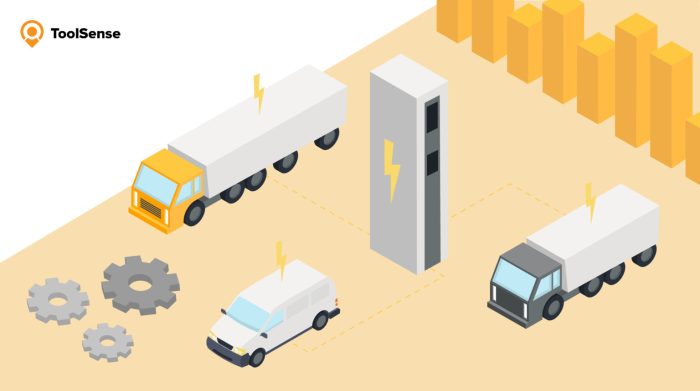
In conclusion, Fleet Preventive Maintenance for Electric Vehicles (EVs) stands as a cornerstone in ensuring operational excellence and cost-effectiveness, paving the way for a sustainable future in transportation.
Top FAQs
How often should preventive maintenance be conducted on electric vehicles?
Preventive maintenance for electric vehicles should ideally be scheduled every 6-12 months, depending on the vehicle's usage and mileage.
Are there any specific tools required for maintaining electric vehicle batteries?
Yes, specialized diagnostic tools are often used to assess the health and performance of electric vehicle batteries during maintenance checks.
What are some common challenges faced when implementing preventive maintenance for EV fleets?
Common challenges include limited availability of trained technicians for EV maintenance and the initial cost of setting up preventive maintenance programs.