Delving into the realm of AC maintenance, this guide explores the potential impact of regular tune-ups on reducing your electricity bill. By understanding the importance of routine maintenance and its direct correlation to energy efficiency, you can uncover the secrets to long-term savings.
In the following sections, we will dissect the components of an AC tune-up, unravel the mysteries of energy efficiency, and shed light on how investing in maintenance can lead to significant cost savings over time.
Importance of AC Tune-Up
Regular AC tune-ups are crucial to ensure that your air conditioning system is running efficiently and effectively. By scheduling routine maintenance for your AC unit, you can not only prolong its lifespan but also improve its energy efficiency.
Benefits of Routine Maintenance
- Improved Energy Efficiency: A well-maintained AC system operates more efficiently, leading to lower energy consumption and reduced electricity bills.
- Prevent Costly Repairs: Regular tune-ups help identify and address minor issues before they escalate into major and costly repairs.
- Enhanced Comfort: Proper maintenance ensures that your AC system can effectively cool your home, providing a comfortable indoor environment.
Cost Savings on Electricity Bills
By investing in regular AC tune-ups, you can save money on your electricity bills in the long run. A well-maintained system operates more efficiently, resulting in lower energy consumption and reduced cooling costs.
Components of an AC Tune-Up
Regular maintenance of your air conditioning system is crucial to ensure optimal performance and energy efficiency. An AC tune-up involves a thorough inspection and servicing of various components to improve the overall efficiency of your unit.
Filters
Air filters play a vital role in maintaining good indoor air quality and ensuring the smooth operation of your AC system. Clogged or dirty filters can restrict airflow, causing your system to work harder and consume more energy. During a tune-up, filters are checked, cleaned, or replaced as needed to improve energy efficiency and prevent strain on the system.
Coils
The evaporator and condenser coils in your AC unit are responsible for absorbing and releasing heat. Over time, these coils can accumulate dirt, dust, and debris, reducing their ability to transfer heat effectively. Inspecting and cleaning the coils during a tune-up can significantly impact your electricity consumption by allowing the system to operate more efficiently and cool your home faster.
Impact on Energy Efficiency
When it comes to energy efficiency, a properly tuned AC system can make a significant difference in reducing electricity consumption and ultimately lowering your bills.
Calibration of Thermostats
One key aspect of an AC tune-up is ensuring that the thermostats are calibrated correctly. When thermostats are not calibrated properly, they can cause the AC system to run longer than necessary, leading to increased energy consumption. By calibrating the thermostats during a tune-up, the AC system can more accurately maintain the desired temperature, preventing it from overworking and using excess energy.
Checking Refrigerant Levels
Another important component of an AC tune-up is checking the refrigerant levels in the system
Long-Term Savings
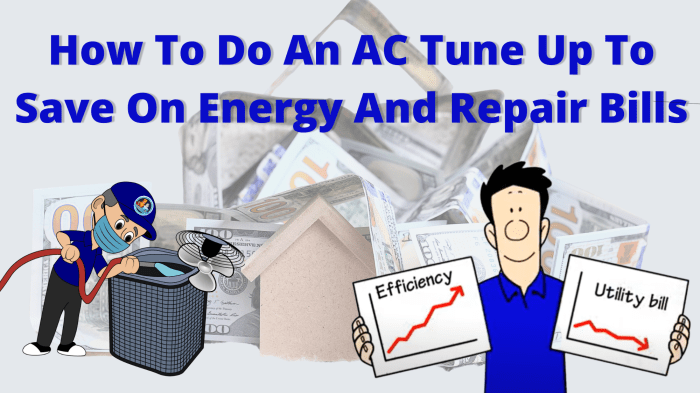
Regular AC tune-ups can lead to significant long-term savings for homeowners. By investing in maintenance, individuals can avoid major breakdowns and costly repairs, ultimately reducing expenses over time.
Potential Savings
- Lower Repair Costs: Addressing minor issues during tune-ups can prevent them from turning into major problems that require expensive repairs. This proactive approach helps homeowners save money in the long run.
- Extended Lifespan: Regular maintenance ensures that the AC unit operates efficiently and lasts longer. By avoiding premature breakdowns, homeowners can delay the need for costly replacements, resulting in substantial savings.
- Improved Energy Efficiency: A well-maintained AC system consumes less energy to cool the home effectively. This translates to lower electricity bills over time, contributing to significant savings for homeowners.
Conclusion
As we conclude this discussion on how an AC tune-up can lower your electricity bill, it becomes clear that the key lies in proactive maintenance. By taking small steps to ensure your AC system is running optimally, you pave the way for substantial savings in the long run.
Remember, a well-maintained AC is not just an appliance—it's a smart investment in your home's energy efficiency and your wallet.
FAQ Compilation
How often should I get an AC tune-up?
It is recommended to schedule an AC tune-up at least once a year to ensure optimal performance and energy efficiency.
Can a DIY AC tune-up be as effective as a professional service?
While basic maintenance tasks like cleaning or replacing filters can be done DIY, a professional tune-up ensures thorough inspection and calibration for maximum efficiency.
Will an AC tune-up really lower my electricity bill?
Yes, a well-maintained AC system operates more efficiently, leading to reduced energy consumption and ultimately lower electricity bills.